DESCRIPTION
1. Introduction of the game:
Welcome to
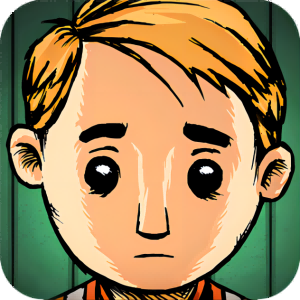
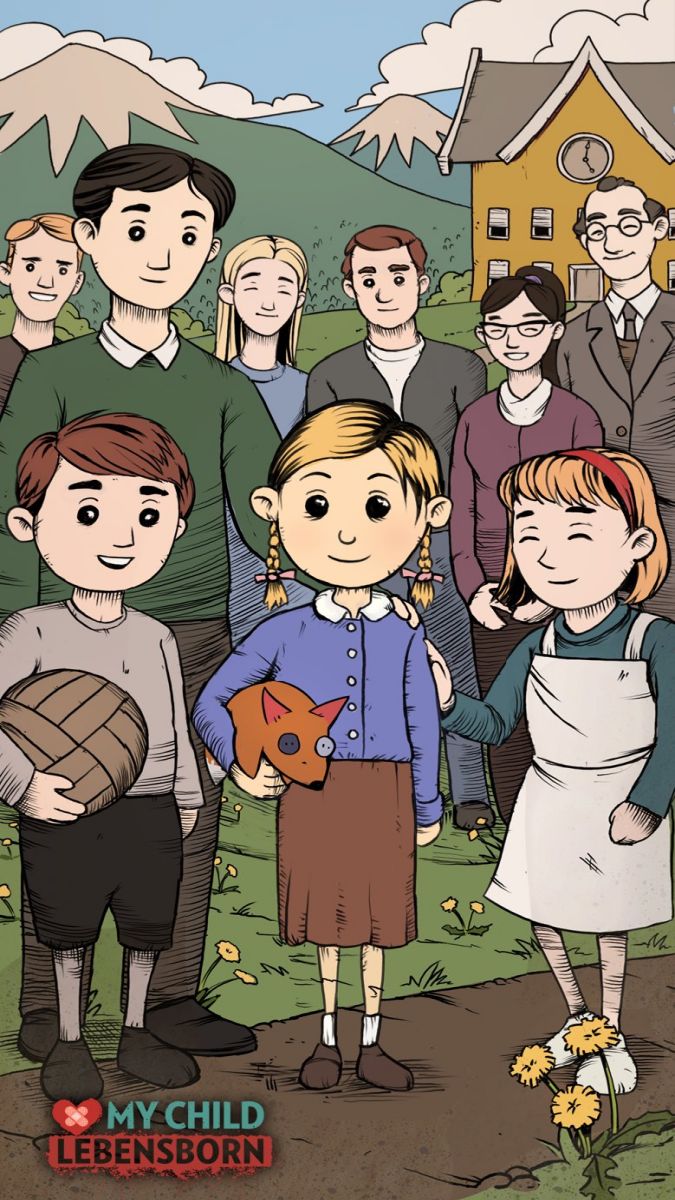
"My Child Lebensborn," a unique and
emotionally-driven mobile game that takes
you on a compelling journey through the
aftermath of World War II. Delve into the
powerful and thought-provoking storyline as
you find yourself responsible for the life
and well-being of a young child, as well as
the challenges and dilemmas that come with
it.
2. All characters and levels
of the game:
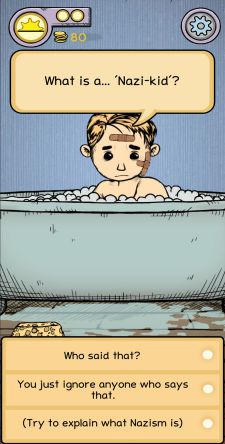
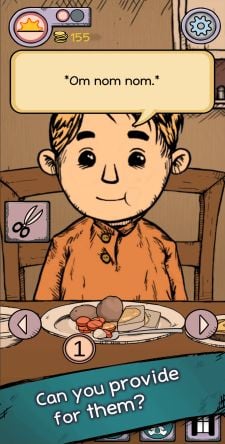
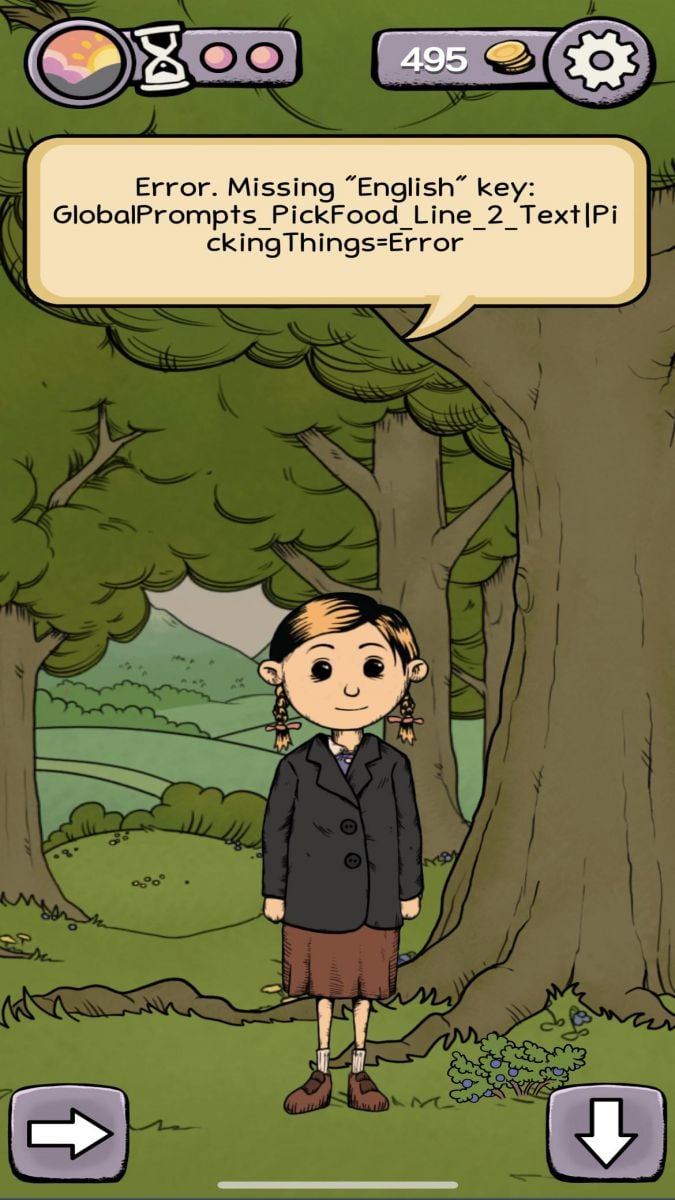
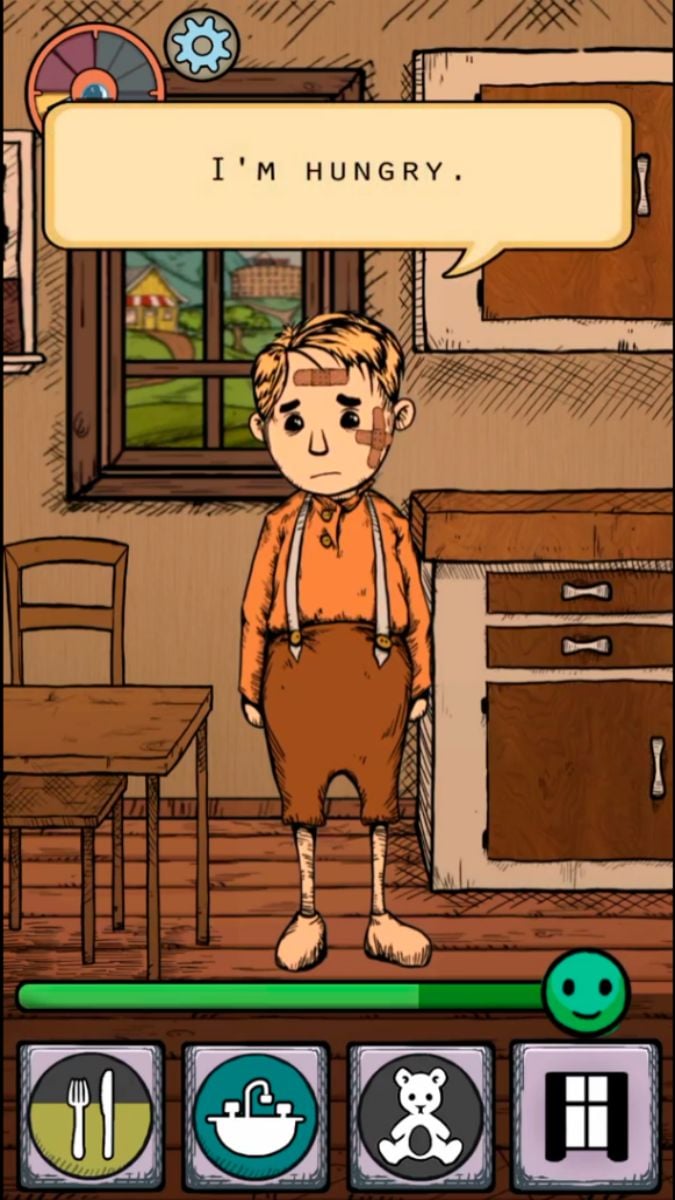
In My Child Lebensborn,
you assume the role of a foster parent,
caring for a child named Karin or Klaus, who
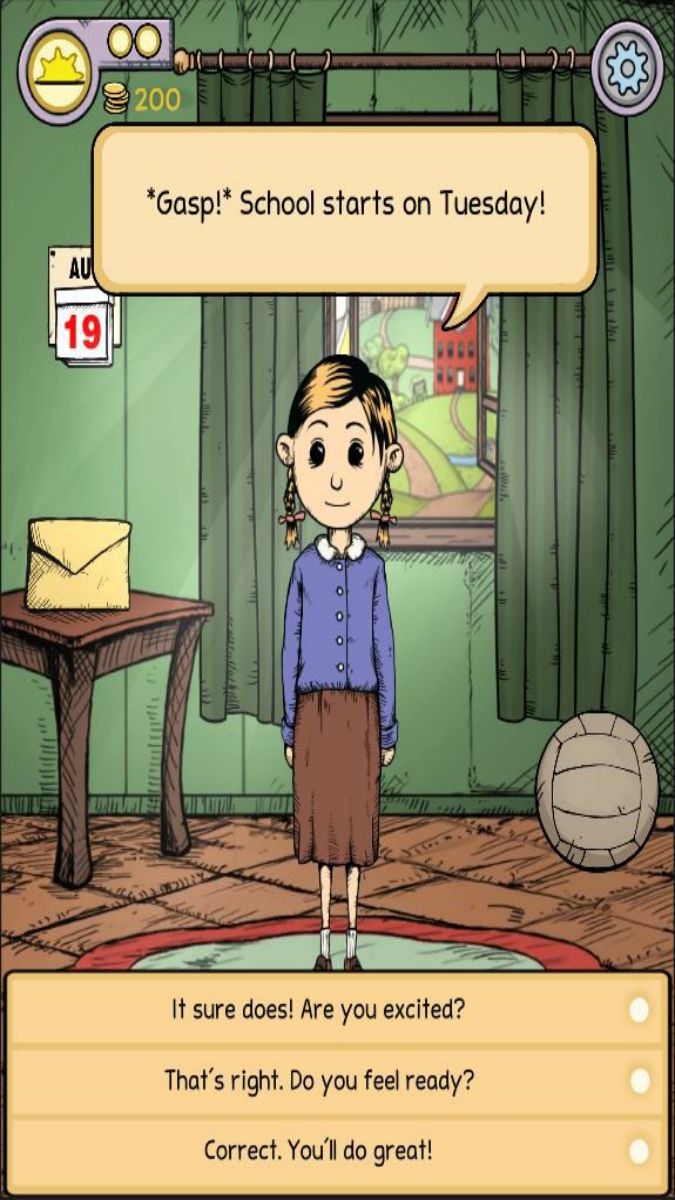
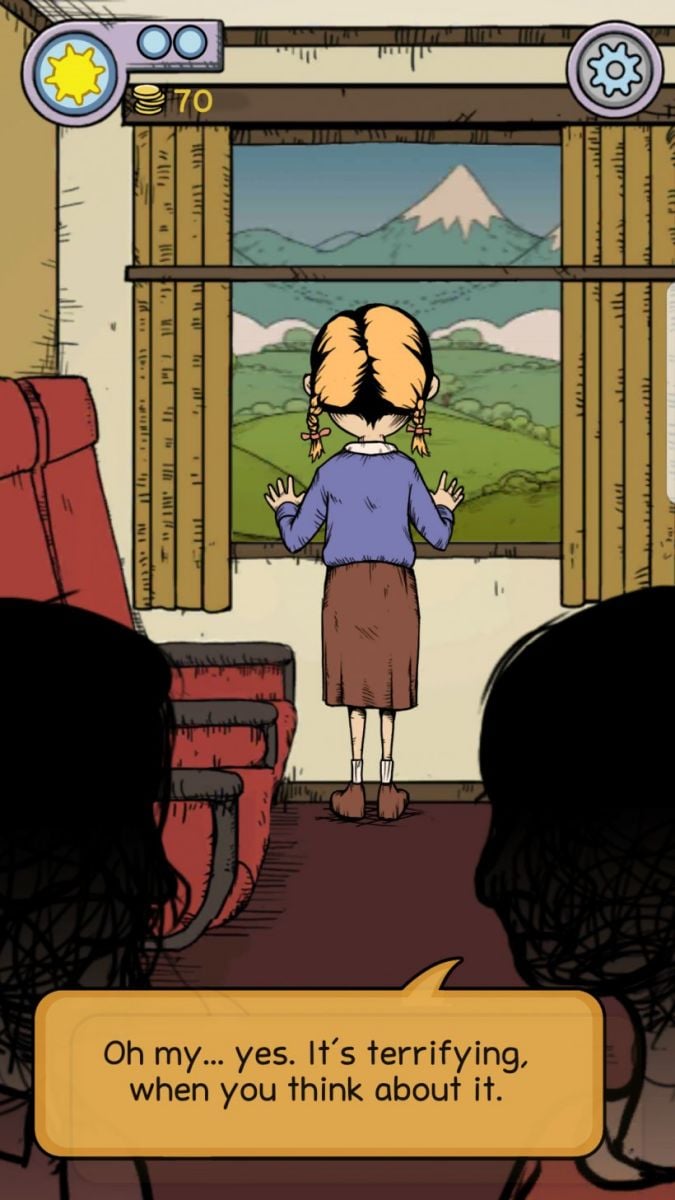
is a Lebensborn child. Through interacting
with your child and managing their emotional
and physical needs, you will navigate
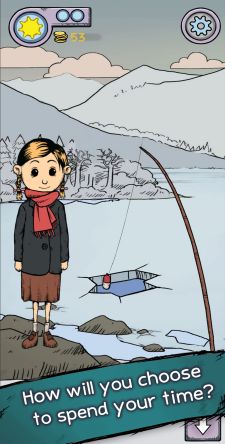
various levels that simulate everyday
scenarios, such as school, social
interactions, and personal growth.
Additionally, you will encounter other
characters, including neighbors, friends,
and even parents with misguided prejudices,
all of whom play a significant role in
shaping your child's identity and values.
3.
What attracts users most to the game:
What
sets My Child Lebensborn apart is its
ability to evoke strong emotions and create
an immersive experience where players
develop a genuine connection with their
child. The game tackles complex themes of
prejudice, identity, and the lasting effects
of war. It confronts players with difficult
choices and challenges them to reflect on
the consequences of their actions, fostering
empathy and understanding.
4. Why
it is popular:
The game's unique and
emotionally impactful storyline, coupled
with its striking visual design and engaging
gameplay mechanics, have made My Child
Lebensborn incredibly popular among players.
The game offers a fresh and intimate
perspective on the aftermath of World War
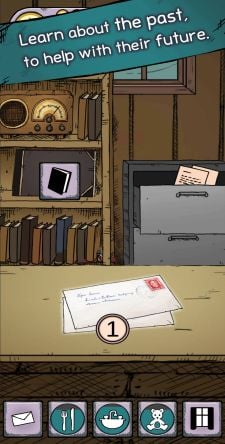
II, shedding light on a relatively unknown
aspect of history and providing players with
an opportunity to reflect on the human cost
of war.
5. When the game was
released and how many versions are currently
available:
My Child Lebensborn was
first released in November 2017, and it has
since garnered critical acclaim and numerous
awards. Currently, there is one version of
the game available on mobile platforms.
6.
The most difficult part of the game:
One
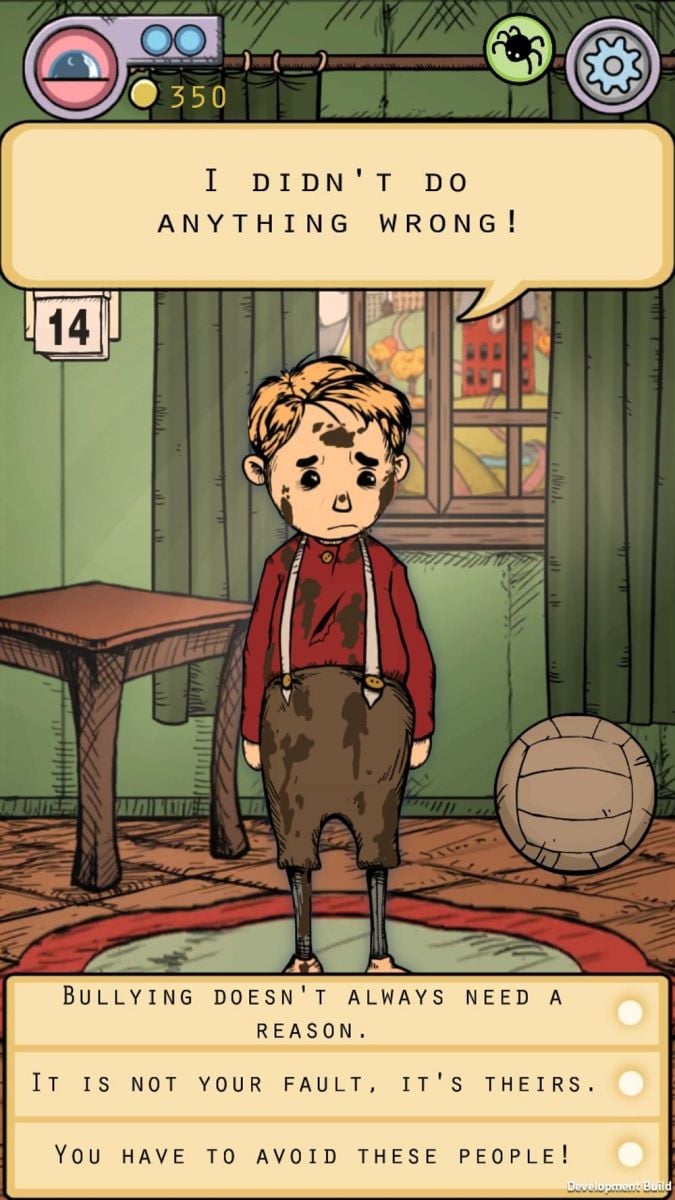
of the most challenging aspects of My Child
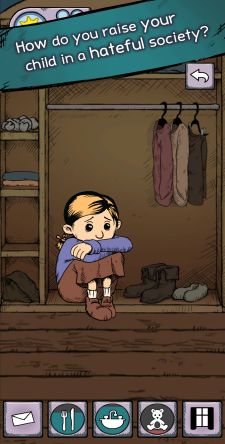
Lebensborn is navigating the prejudice and
discrimination faced by your child as a
Lebensborn. The game presents players with
tough choices, as their decisions impact
their child's well-being and growth.
Balancing the child's self-esteem, social
acceptance, and personal identity can be
emotionally taxing for players.
7.
Strengths and weaknesses of the game:
The
strengths of My Child Lebensborn lie in its
powerful storytelling, immersive gameplay,
and the emotional impact it has on players.
The game succeeds in educating and raising
awareness about a little-known aspect of
history. However, some players may find the
emotional weight and intensity of the game
to be overwhelming or difficult to
handle.
8. What other games have
been developed by the same developer:
"My
Child Lebensborn" was developed by Sarepta
Studio, a Norway-based game development
company known for their focus on creating
games with profound narratives and impactful
themes. They have also developed "Shadow
Puppeteer," a co-op puzzle-platformer that
explores light and shadow mechanics, as well
as "The Girl Who Stands Behind," a
psychological horror game set in rural
Japan.



















Comment